
Best RV Parks and RV Campgrounds in Utah: Hookups, Rig Fit, and When to Book
One complete guide to RV camping in Utah - the best full-hookup parks near Zion and Moab, cool mountain loops, how to judge rig fit and pad slope, and the booking windows that actually matter.
By BLAZE 360
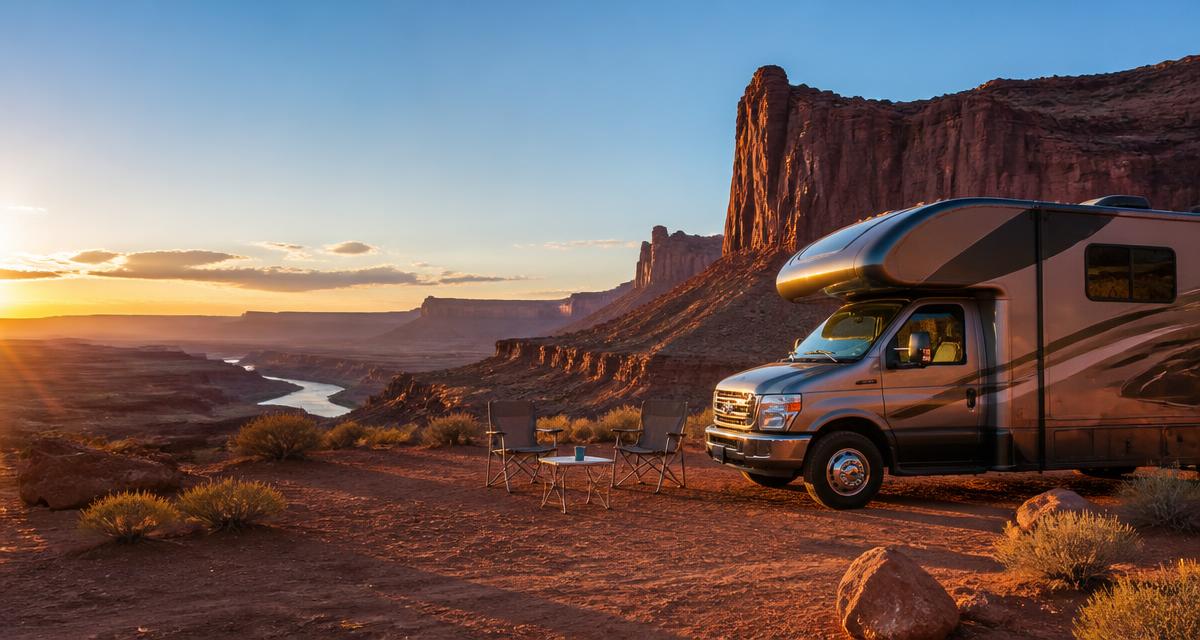
Utah is one of the best RV states in the country: paved access to five national parks, high-desert campgrounds with full hookups, and mountain loops that stay cool all summer. This guide ranks the best RV parks and RV-friendly campgrounds in Utah by rig size, hookups, and how easy they are to actually book.
How we picked these RV parks
- Rig fit. We prioritized parks with confirmed pull-through sites or max rig lengths above 35 feet.
- Hookups. Full hookups (water, electric, sewer) rank highest, then electric-only, then dry camping with a dump station.
- Access. Paved or well-graded roads, no low clearance obstacles, and reasonable grades on the approach.
- Bookability. Sites you can actually reserve, plus first-come, first-served loops worth gambling on midweek.
Best RV parks near Zion National Park
Springdale and the Virgin River corridor hold most of the full-hookup options near Zion's south entrance. Expect shade from cottonwoods, tight interior turns in the older parks, and summer heat that makes 50-amp service worth paying for.
- Watchman Campground (Zion NP) - electric sites, reservable six months out, walking distance to the visitor center shuttle.
- Springdale commercial parks - full hookups, laundry, and shuttle stops; the practical choice for rigs over 35 feet.
- Virgin and La Verkin - cheaper, more open, and a 20-minute drive to the park gate.
Best RV camping near Moab, Arches, and Canyonlands
Moab is a shoulder-season town. March through May and September through October fill early; July is brutally hot and wide open. Full-hookup parks cluster along US-191, while BLM campgrounds along the Colorado River offer dry camping with big-rig-friendly pull-ins.
- Riverway BLM campgrounds (SR-128) - vault toilets, no hookups, stunning canyon walls, several sites that take 30-foot trailers.
- US-191 corridor parks - full hookups, pools, and dump stations; the recovery base after a dusty day on Slickrock.
- Green River - an hour north, dramatically cheaper, and a smart overflow plan when Moab is booked solid.
Mountain RV camping: Wasatch, Uinta, and Boulder Mountain
When the desert hits triple digits, move up. The Uinta Mountains along the Mirror Lake Highway sit between 8,000 and 10,000 feet, and the Wasatch canyons above Salt Lake City stay 20 degrees cooler than the valley.
- Mirror Lake Highway loops - electric is rare, rig limits are real, and snow can close access into June.
- American Fork and Provo Canyon - reservable, close to services, and busy every weekend from Memorial Day on.
- Boulder Mountain (Highway 12) - high, quiet, and one of the darkest night skies in the state.
Full hookups vs. dry camping in Utah
Full-hookup parks make sense in summer heat and for long stays. Dry camping wins on price, space, and scenery, but Utah's dry air and thin high-desert soil mean you should plan water carefully.
- Arrive with a full fresh tank; potable fill stations are sparse outside towns.
- Run generators only in posted windows, and expect quiet hours from 10 p.m. to 6 a.m.
- Watch elevation on your generator and fridge; performance drops above 8,000 feet.
- Confirm your dump station before you leave a town with services.
When to book Utah RV sites
Spring and fall are the crunch. Reservable Utah campgrounds typically open a six-month rolling window, so the practical rule is: set a reminder for exactly six months before your trip date, and book at the moment the window opens. Midweek arrivals still open up regularly, and cancellations land two to three days out.
Scout the site before you tow into it
The hardest part of RV camping in Utah is not finding a campground - it's knowing whether your rig fits the site you reserved. BLAZE 360 maps campgrounds and individual sites in 360°, so you can look at the approach, the pad, the overhanging branches, and the neighbor spacing before you commit to a two-hour tow.
What actually makes an RV site good
Star ratings rarely tell you what matters when you are towing. These are the factors we score on every campground we map in 360°.
- Pad type and level: gravel, dirt, or paved, and how much you will need to level.
- Usable length: the number in the listing is often longer than what you can really park once you account for the picnic table and fire ring.
- Approach and turning radius: a 60-foot pad is useless if the loop road corner is too tight for your rig.
- Hookups: full, electric only, or dry. Confirm amperage - 30A vs 50A changes what you can run in July.
- Shade and orientation: which side of the rig gets afternoon sun determines whether the AC keeps up.
- Slide-out clearance: trees, boulders, and neighboring pads.
- Dump station and potable water location relative to the exit loop.
- Cell signal, if you work on the road.
How to build your own Utah shortlist
Rather than trusting a generic top ten, build a shortlist that fits your rig and your season.
- Filter by region first. Utah spans desert, canyon, and alpine terrain, and elevation drives your comfort more than anything else. Southern Utah is best in spring and fall; the Uintas and higher canyons are best in mid-summer.
- Filter by rig length and hookup needs. Be honest about your minimum.
- Look at each site in 360° before booking. Stand in the pad virtually, look up for branches, look down at the slope, look around at how close the neighbors are.
- Check live availability for your dates, then book the specific site number - not just the campground.
Regional notes for RVers
Southern Utah desert
Big skies, long views, and very little natural shade. Plan for full sun, awning wind loads, and generator or solar capacity. Spring and fall are the comfortable windows.
Canyon country campgrounds
Often stunning, often tight. Access roads can have switchbacks and grade that punish long trailers. Verify the approach, not just the site.
Mountain and alpine campgrounds
Cooler nights, real shade, and shorter seasons. Loops built decades ago frequently cap out well under 35 feet, so usable length is the first thing to check.
Before you tow: quick pre-booking check
- Confirm the site's real usable length and pad slope.
- Confirm hookup type and amperage.
- Check the approach road for grade and switchbacks.
- Look at the 360° view of the pad and the two neighboring pads.
- Have a backup site in mind at a lower elevation in case of weather.
See it before you go
BLAZE 360 maps campgrounds and trails in immersive 360°, so you can walk the ground from home.
Explore in 360°